- Practical coping steps
- Trauma-informed care
- Support for caregivers
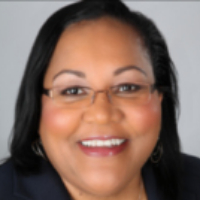
About Carol
She trained in professional counseling and ministry and has 17 years of experience in mental health work. That background includes time providing spiritual and emotional care in hospital settings and leading chaplaincy services. Those roles shaped her focus on grief, crisis response, and supporting people under long-term stress.
Carol blends talk-based care with goal-focused tools. She draws on client-centered conversations to learn what matters most to each person. She also uses cognitive behavioral techniques to identify unhelpful thoughts and try new behaviors that feel more useful.
For people with trauma-related distress, she incorporates trauma-focused methods and EMDR-informed approaches to process painful memories and reduce their emotional intensity. The emphasis is on practical steps clients can use between sessions.
She has worked with caregivers, clinicians, and community groups on stress management, compassion fatigue, and grief workshops. Outside clinical work she connects people to local supports and advocacy resources when appropriate. Carol aims to help clients build skills that lead to measurable changes in everyday life.
Areas of expertise
Primary focus
Also works with
Additional focus areas
Therapeutic approaches
Experience
17+ years
Credentials
New York
Languages
English
How these approaches shape online care
Client-centered therapy starts by listening closely to what the person values and wants to change. It focuses sessions around the client's goals and personal strengths to guide practical steps. Cognitive Behavioral Therapy, or CBT, looks at thinking patterns and behaviors and gives simple exercises to test new ways of reacting. It is often used for anxiety, depression, and stress-related problems.Finding the right approach is a collaborative process. The therapist will work with the client to choose methods that match needs, goals, and comfort. That may mean mixing client-centered listening, CBT strategies, and trauma-focused work over time based on what helps most.
If you are considering online therapy, confirm the session formats before booking because the biography does not list specific options. Online work can make it easier to fit counseling into a busy schedule, shorten travel time, and allow brief check-ins when a full in-person visit would be hard to arrange. It can also let someone keep continuity with a therapist while relocating or when juggling caregiving duties. A therapist can explain which approaches translate well to remote sessions and suggest practical ways to use tools between meetings.
Frequently asked questions
What concerns does Carol help with?
She helps people with stress, anxiety, depression, grief, trauma and abuse, parenting and caregiver issues, relationship and communication problems, addictions, ADHD, bipolar mood concerns, and workplace stress.
What is her therapeutic style like?
Her style is direct and practical with a focus on clear goals. Sessions combine client-centered conversation with cognitive behavioral tools and trauma-focused techniques.
How much experience does she have?
She has 17 years of experience in mental health work, including time providing spiritual and emotional care in hospital settings and leading chaplaincy services.
What credentials and location are listed?
She holds the credential LMHC and is located in New York.
Which languages are sessions offered in?
Sessions are offered in English and international clients are accepted.
What session formats are available?
The original biography does not specify session formats. Confirm current session options with the service before booking.
How does billing and cost work?
Cost varies with location and therapist availability, and sessions use a subscription that can be canceled at any time.
How do I begin working with her?
Use the Start Therapy button, complete a short matching questionnaire, and schedule according to the therapist's availability.