- Person-centered
- Trauma-informed
- Practical strategies
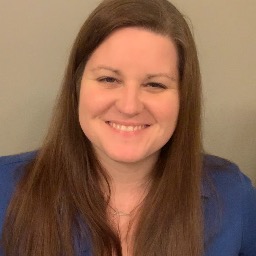
About Charesa
Her style is warm and person-centered. She aims to make people feel heard and to create a calm space for telling their story. Sessions focus on practical steps people can try between visits and on finding what works for each person.
Charesa uses several approaches to match a client's needs. She draws on Client-Centered Therapy to center the client's perspective and Cognitive Behavioral Therapy to identify patterns that lead to distress. She also uses Eye Movement Desensitization and Reprocessing for trauma-related concerns and Motivational Interviewing to support change. Narrative and solution-focused ideas are woven into work on communication problems and caregiver stress.
With ten years of counseling experience, she has worked with people affected by childhood trauma, abuse, autism-related challenges, and mood disorders. Charesa pays particular attention to parenting struggles and young adult issues. She guides clients in coping with life changes, grief, and aftermaths of natural or human-caused disasters.
People who want to start are asked to use the Start Therapy button and complete a short matching questionnaire. Scheduling is offered according to the therapist's availability and sessions use a subscription that can be canceled at any time.
Areas of expertise
Also works with
Additional focus areas
Therapeutic approaches
Experience
10+ years
Credentials
Texas
Languages
English
How these approaches translate to online care
Client-Centered Therapy focuses on the person telling their story while the therapist listens without judgment; online sessions can be a place to speak openly and decide goals together. Cognitive Behavioral Therapy (CBT) breaks down unhelpful thinking and behavior into small steps; online work often includes short skill-building exercises and home practice between sessions. Eye Movement Desensitization and Reprocessing (EMDR) is used for trauma-related memories and can be adapted into paced, step-by-step work to reduce distress.Choosing the right approach is a collaborative process. The therapist will talk with each person about their needs, goals, and preferences and will adjust methods as work progresses. Clients help guide which techniques feel most useful over time.
Confirm current session options before booking to know the exact online formats offered. Online therapy can make it easier to fit sessions into a busy schedule, reduce travel time, and allow for shorter check-ins when needed. It also lets people work from a quieter place without needing extra setup. Ask about scheduling and format details when you complete the matching questionnaire so sessions can fit into everyday life.
Frequently asked questions
What concerns can Charesa help with?
She works with stress, anxiety, trauma and abuse, depression, parenting difficulties, grief, relationship and intimacy issues, ADHD, bipolar mood concerns, and related problems such as isolation or workplace issues.
How would you describe her style in sessions?
Her approach is person-centered and collaborative. She listens first, then helps people choose practical steps to try between sessions.
What experience does she bring?
She has ten years of counseling experience and has worked with clients affected by childhood trauma, autism-related challenges, mood disorders, and caregiving stress.
What are her credentials and where is she based?
She is a Licensed Professional Counselor (LPC) practicing in Texas.
Which languages are supported for sessions?
Sessions are offered in English.
Can people outside the United States work with her?
She does not accept international clients at this time.
How are sessions priced?
Cost varies with location and therapist availability; sessions use a subscription that can be canceled at any time.
How do I begin working with her?
Use the Start Therapy button, fill out a short matching questionnaire, and then schedule according to the therapist's availability.