- Stress and anxiety
- Trauma recovery
- Caregiver support
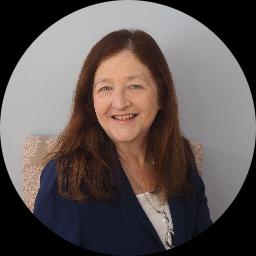
About Chrystine
Chrystine works to make sessions feel open and nonjudgmental. She encourages clients to speak honestly about their thoughts and feelings. Her aim is practical: to help people find clearer choices and small steps that ease daily strain.
Her approach draws on several therapy styles. Client-Centered Therapy puts the client's experience at the center of each session. Cognitive Behavioral Therapy looks at thoughts and behaviors that keep problems going and tests new ways of responding. Trauma-Focused Therapy and Emotionally-Focused Therapy guide work when past hurts or relationship emotions are in focus.
People who are caregivers, veterans, first responders, or living with chronic pain often seek help for burnout, grief, or stress. Chrystine listens for what matters most and tailors sessions to those goals. She emphasizes coping skills, clearer communication, and restoring a sense of purpose.
Chrystine holds an MA and practices as a LICSW and LCSW in Massachusetts and Connecticut. She invites people to take the first step and offers steady, practical support as they work toward a less burdened life.
Areas of expertise
Primary focus
Additional focus areas
Therapeutic approaches
Experience
6+ years
Credentials
Connecticut, Massachusetts
Languages
English
How these approaches translate to online work
Client-Centered Therapy focuses on the person's experience and builds a trusting, supportive relationship. In practice the therapist listens closely, reflects what she hears, and follows the client's lead to set goals and next steps. Cognitive Behavioral Therapy (CBT) identifies unhelpful thoughts and patterns, then tests new behaviors and coping skills through small experiments. It is useful for anxiety, panic, and depressive patterns. Trauma-Focused Therapy offers focused ways to address the impact of past traumas and reduce their hold on daily life.Finding the right approach is part of the work. Chrystine will collaborate with each person to choose which methods fit their needs and goals. That choice can change over time as progress is made and priorities shift.
Session formats are not detailed in the biography, so confirm current session options before booking. Online therapy can make it easier to fit sessions into a busy life, whether someone needs a shorter check-in, prefers not to travel, or wants to arrange appointments around caregiving or work schedules. Licensed professionals can use online meetings to practice skills, review coping tools, and track progress between sessions.
Frequently asked questions
What concerns does she help with?
She helps people facing stress, anxiety, trauma and abuse, grief, anger, and depression. Additional areas include caregiver stress, chronic illness, aging concerns, and end-of-life issues.
What is her therapy style like?
She uses client-centered methods that focus on the person's experience and goals. She also draws on cognitive behavioral and trauma-focused techniques to build practical skills and process difficult events.
What is her background and experience?
She has six years of professional therapeutic intervention experience and has worked with people affected by chronic illness, military service, and first responder stress.
What credentials and region are listed?
She holds an MA and is licensed as a LICSW and LCSW. She practices in Massachusetts and Connecticut.
Which languages are supported?
Sessions are offered in English.
Can international clients work with her?
She does not accept international clients at this time.
How are costs handled?
Cost varies with location and therapist availability; sessions use a subscription that can be canceled at any time.
How do I begin working together?
Click the Start Therapy button, complete a short matching questionnaire, and schedule according to therapist availability.