- Trauma and abuse
- Grief and loss
- Caregiver stress
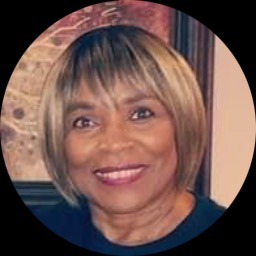
About Darlene
In sessions she listens carefully and tailors conversations to fit individual needs and goals. She helps people name what feels stuck and tries practical ways to shift thoughts and behaviors. Work can include looking at patterns that contribute to guilt, shame, or feelings of isolation and finding steps to reconnect with purpose and self-love.
Darlene also supports people dealing with life changes and workplace stress. She addresses common concerns such as communication problems, family-related struggles, and the impact of abandonment or past hurt. Her approach pays attention to how everyday routines and choices affect mood and confidence.
Caregivers and those facing long-term caring responsibilities find focused attention on managing caregiver stress and its emotional toll. Darlene helps clients explore tools to reduce overwhelm and strengthen coping skills over time.
This practice uses an individualized plan for each person. Darlene frames therapy as a collaborative process where the client’s goals guide the work. She encourages small steps and celebrates progress along the way.
Areas of expertise
Additional focus areas
Experience
15+ years
Credentials
Ohio
Languages
English
How evidence-based methods can translate online
Many evidence-based therapeutic techniques focus on helping people process difficult memories and change unhelpful thinking and behavior. For example, trauma-focused work often involves carefully revisiting painful experiences to reduce their hold and teach new coping skills; it can help with post-traumatic stress, shame, and fear responses. Techniques that target grief and loss focus on naming the loss, honoring feelings, and building routines that support daily functioning and adjustment.Therapy is collaborative and finding the right approach is part of the work. The therapist will talk with the client about goals, try approaches that fit those goals, and adjust the plan as progress and feedback come in. Decisions about pacing and methods are made together to match needs, preferences, and comfort level.
Because the biography does not list specific session formats, confirm the available options before booking. Online sessions can make it easier to fit therapy into a busy life, reduce travel time, and allow shorter check-ins when schedules are tight. They also let someone attend from a familiar setting, which can help with consistency and follow-through. Licensed professionals can guide practical ways to make sessions useful within a client’s everyday routine.
Frequently asked questions
What kinds of problems does she help with?
She helps people coping with trauma and abuse, grief and loss, self-esteem concerns, and life changes. Additional focus areas include caregiver stress, workplace issues, social anxiety, and feelings of isolation.
How would you describe her therapy style?
Her style is respectful, sensitive, and compassionate. Conversations are tailored to each person and focused on practical steps and self-reflection.
What experience does she bring?
She has 15 years of professional experience helping people with trauma, grief, confidence, and coping with life transitions.
What are her credentials and where is she located?
She holds Ohio LISW, which stands for Licensed Independent Social Worker, and practices from Ohio.
Which languages are sessions offered in?
Sessions are offered in English and she accepts international clients.
What session formats are used?
Please confirm current session options before booking, as the biography does not specify which formats are offered.
How does cost work for therapy with her?
Cost varies with location and therapist availability, and sessions use a subscription that can be canceled at any time.
How can I begin working with her?
Select the Start Therapy button, complete the short matching questionnaire, and schedule sessions according to therapist availability.