- Warm listening
- Attachment focus
- Practical support
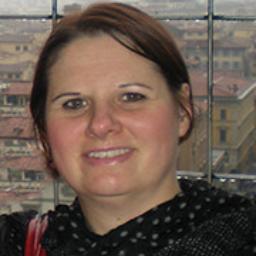
About Diana
Her work combines ideas from attachment-based, client-centred and psychodynamic thinking with mindfulness and Jungian influences. That mix is used to respond to the person in front of her rather than following a fixed recipe. Sessions focus on understanding feelings, noticing patterns in relationships and making small changes that ease daily life.
Diana has around 10 years of experience and brings background from education, coaching and counselling into her work. That experience shapes how she supports parents, carers and people managing role-related stress and life transitions. She pays particular attention to attachment and caregiver issues, abandonment and codependency where these turn up in someone’s story.
She works with a wide range of concerns including stress, anxiety, depression, grief, relationship and intimacy-related difficulties, addictions, trauma and parenting pressures. Diana also supports people facing career changes, midlife crises and feelings of emptiness while helping them build self-esteem and better coping skills.
Sessions are offered in English and German and she practices in the United Kingdom. Diana is a member of the British Association for Counselling and Psychotherapy, BACP. To begin, people are invited to try an initial session to see if the partnership feels right.
Areas of expertise
Primary focus
Also works with
Additional focus areas
Therapeutic approaches
Experience
10+ years
Credentials
BACP · United Kingdom
Languages
English, German
How her approaches translate to online support
Attachment-based work looks at how early bonds shape current relationships and emotional responses. Online sessions can help people notice those patterns, practise different ways of relating and build more secure ways of connecting with others.Client-centred work focuses on listening, acceptance and the person’s own pace. This approach helps when someone needs a steady, non-judgemental space to talk about anxiety, loss or caregiver stress and to find their own solutions.
Finding the right approach is part of the therapy process and will be decided together. The therapist will discuss goals, priorities and what feels most useful, then adapt methods as the work unfolds so the client feels involved and understood.
Confirm the exact session options before booking, as formats are not listed here. Online work can make it easier to fit therapy into a busy routine, reduce travel time and allow shorter check-ins when needed. It can also suit people who prefer not to meet in person while they try out counselling. Diana will talk through practical arrangements and frequency so sessions fit around everyday life.
Frequently asked questions
What kinds of problems does Diana help with?
She works with stress, anxiety, depression, grief, relationship and intimacy issues, addictions, trauma and parenting pressures among other concerns.
How would you describe her therapeutic style?
Her style is gentle and relational, blending psychosynthesis with client-centred, attachment and psychodynamic ideas and mindfulness to match each person’s needs.
What experience does she bring to sessions?
Diana has around 10 years of experience and draws on prior work in education and coaching alongside counselling practice.
Is she registered with a professional body and where does she practise?
She is a member of the British Association for Counselling and Psychotherapy, BACP, and practises in the United Kingdom.
Which languages are available for sessions?
Sessions are offered in English and German.
Does she work with international clients?
She is not currently accepting international clients.
How are fees and payment arranged?
Cost varies with location and therapist availability; sessions use a subscription that can be cancelled at any time.
How do I begin if I want to try sessions?
Use the Start Therapy button, complete a short matching questionnaire, and schedule according to the therapist’s availability.