- Client-centered
- Practical skills
- Caregiver focus
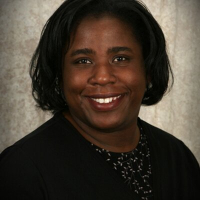
About Ericka
She uses approaches that center the person's needs, such as client-centered therapy and cognitive behavioral techniques. These methods are adapted to everyday problems like panic, mood swings, and relationship communication issues. Mindfulness and motivational interviewing are added when they fit the client's goals.
Ericka trained at the University of North Carolina at Chapel Hill and holds both LCSW and LICSW credentials. She has worked in clinics, hospitals, and community mental health settings. That range of settings informs her down-to-earth style and practical problem-solving.
Sessions are organized to reflect each person's life and priorities. She helps people define what feels most urgent and then builds steps they can use between appointments. People who are juggling caregiving, aging concerns, or major life changes may find this practical focus useful.
Ericka emphasizes kindness and collaboration in therapy. She invites people to set the pace and define goals, and she adjusts methods to match each person's preferences and circumstances.
Areas of expertise
Primary focus
Also works with
Additional focus areas
Therapeutic approaches
Experience
15+ years
Credentials
Minnesota, Illinois
Languages
English
How client-centered and skills-based approaches work online
Ericka commonly draws on client-centered therapy and cognitive behavioral therapy when helping people manage anxiety, stress, grief, and caregiver strain. Client-centered therapy focuses on listening, empathy, and shaping goals that matter to the person. Cognitive behavioral therapy identifies unhelpful thoughts and teaches practical skills to change reactions and behavior.Finding the right approach is part of the work together. The therapist will discuss which methods feel useful and adjust techniques to match a person's goals and daily life. This is a collaborative process that starts with what the person wants to address most.
The profile does not list specific session formats, so confirm current online options before booking. Many people find online work helps fit therapy into busy schedules, makes it easier to check in during a lunch break, or supports shorter skill-building sessions when time is limited. Licensed professionals can use these approaches to teach skills, practice new communication, and support coping between appointments.
Frequently asked questions
What concerns does this therapist address?
Common areas include stress, anxiety, grief, depression, addictions, caregiver issues, trauma, and mood disorders. Additional focuses listed include communication problems, codependency, and post-traumatic stress.
What is the therapy style like?
Therapy is practical and person-centered. Techniques from CBT, DBT, mindfulness, and motivational interviewing are used as tools tailored to each person's needs.
What background and experience does the therapist have?
She has worked in clinics, hospitals, and community mental health settings and brings 15 years of experience to her current practice.
Which credentials and location are listed?
The clinician holds LCSW and LICSW credentials and practices in Minnesota.
Are sessions available in other languages or internationally?
Sessions are offered in English, and international clients are accepted.
What session formats are offered?
The original profile does not specify session formats; please confirm current session options before booking.
How are costs handled?
Cost varies with location and therapist arrangements; sessions use a subscription that can be canceled at any time.
How do I begin working with this therapist?
Use the Start Therapy button, complete a short matching questionnaire, and schedule according to therapist availability.