- Attachment focus
- Skill-based tools
- Compassionate listening
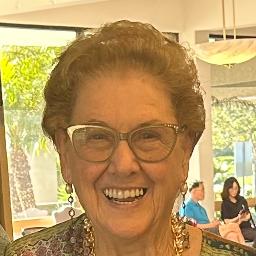
About Gloria
Her style blends attachment-based perspectives with client-centered care and cognitive-behavioral tools. She helps clients notice patterns in relationships, understand how emotions influence choices, and practice new ways of responding. Sessions often include straightforward skills for managing intense feelings and improving communication.
Gloria draws on long experience supporting people through loss, separation, and midlife change. She also addresses caregiver strain, money worries, body image, isolation, and problems with control or impulsivity. The aim is to reduce distress and increase skills that make daily life easier.
She works collaboratively, pacing therapy to each person’s needs and preferences. Conversations focus on what matters most to the individual, and plans are adjusted as progress is made. Gloria encourages practical homework and small experiments between meetings to build confidence.
People who choose her can expect a straightforward, compassionate approach that mixes listening with actionable strategies. Language used in sessions is English. Prospective clients should confirm current session options before booking.
Areas of expertise
Primary focus
Additional focus areas
Therapeutic approaches
Experience
40+ years
Credentials
California
Languages
English
How her approaches translate to online care
Attachment-Based Therapy focuses on how early and current relationships shape feelings and expectations. It helps people understand patterns that affect trust and connection, and supports learning new ways to relate in daily life.Client-Centered Therapy emphasizes listening, empathy, and the client’s own goals. The therapist follows the person’s lead, offering reflection and support while helping them discover their own solutions.
Cognitive Behavioral Therapy (CBT) looks at thoughts, feelings, and behaviors together. It teaches concrete strategies for managing anxiety, depression, and mood challenges by testing unhelpful thoughts and trying new behaviors.
Finding the right approach is a collaborative process. The therapist will talk with each person about their goals, try different techniques, and adapt treatment based on what helps most. Decisions about methods are made together and can change as needs evolve.
Practical benefits of online therapy often include easier scheduling and fitting sessions into a busy life. Online work can make regular check-ins simpler and reduce travel time. Because session formats are not specified here, confirm current options before booking to learn which formats are offered and how they fit your routine.
Frequently asked questions
What concerns does she help with?
She supports people facing stress, anxiety, depression, trauma, grief, and career changes, plus related issues like caregiver stress, isolation, and body image.
What is her therapeutic style?
Her approach blends attachment-based work, client-centered care, and cognitive-behavioral techniques to combine listening with practical skills.
How much experience does she have?
She has 40 years of professional experience working with people through complex life transitions and emotional challenges.
What are her credentials and location?
She is a California licensed marriage and family therapist, listed as LMFT, and practices in California.
Which languages are supported?
Sessions are offered in English.
Can international clients work with her?
International clients are not currently accepted.
How does payment and cost work?
Cost varies with location and therapist availability; sessions use a subscription that can be canceled at any time.
How do I begin working with her?
Select the Start Therapy button, complete a short matching questionnaire, and schedule according to therapist availability.