- Strengths focused
- Practical steps
- Longterm experience
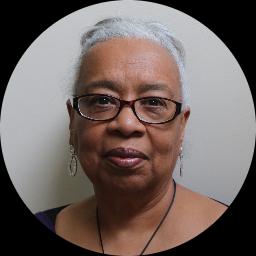
About Hope
She believes each person knows their own story and brings helpful resources to the work. Sessions focus on building on those strengths, naming the immediate problems, and trying small, manageable steps to feel better. Hope encourages realistic goals and gradual progress rather than quick fixes.
Her work draws on client-centered therapy, where the person's perspective guides sessions. She also uses elements of cognitive behavioral therapy, helping people spot unhelpful thoughts and test new ways of thinking and acting. These methods are used to relieve symptoms and support clearer decision making.
Hope has 20 years of professional experience in social work and brings that practical background to conversations about caregiving, aging, chronic illness, and mood-related concerns. She aims to make therapy feel like a regular part of life rather than something separate or mysterious.
People who contact her usually start by describing the immediate problem they want to solve. From there she works with them to set achievable steps, monitor what helps, and adjust the plan as needed. She values patience, respect, and straightforward communication throughout the process.
Areas of expertise
Additional focus areas
Therapeutic approaches
Experience
20+ years
Credentials
Virginia
Languages
English
How Hope’s Approaches Work Online
Client-centered therapy focuses on the person’s own goals and perspective. The therapist follows the client’s lead, listens closely, and helps shape a plan based on what the client says matters most. This approach is useful for building trust, sorting priorities, and tackling caregiving or life-change stress.Cognitive behavioral therapy, or CBT, helps people identify unhelpful thoughts and try new behaviors. It breaks problems into smaller parts and tests practical changes that can reduce anxiety, low mood, and stress. CBT is often a good fit for goal-focused work like improving mood or managing anxious thinking.
Finding the right approach is part of the work. The therapist will collaborate with each person to decide which methods to try first, based on needs, goals, and preferences. That collaborative process includes checking in and adjusting methods when something isn’t working.
Confirm current session options before booking, as specific formats are not listed here. Online therapy can make it easier to fit sessions into a busy schedule, reduce travel time, and allow quicker check-ins between in-person visits. It also lets people choose arrangements that match their energy level, such as shorter sessions or audio-only conversations when that feels more manageable.
Frequently asked questions
What concerns does she help with?
Hope supports people working through stress, anxiety, grief, self-esteem issues, depression, and coping with life changes. She also focuses on caregiving stress, aging and geriatric issues, chronic illness and pain, and related concerns.
What is her therapy style like?
She uses a collaborative, client-centered style that centers the person's goals and perspective. Sessions aim to be straightforward and focused on practical steps.
How much experience does she have?
Hope has 20 years of professional experience in social work, which she brings to conversations about mood, coping, and caregiving challenges.
What credential and region does she practice in?
She is a LCSW licensed in Virginia and practices with that credential within the state.
Which languages are sessions offered in?
Sessions are offered in English.
Can people outside the United States work with her?
She does not accept international clients at this time.
How are sessions scheduled and paid for?
Costs vary by location and therapist availability and sessions use a subscription that can be canceled at any time. Exact fees are provided during intake and scheduling.
How do I begin therapy with her?
To start, select the Start Therapy button, complete a short matching questionnaire, and then schedule according to therapist availability.