- Client-centred
- Trauma-aware
- Mindfulness-based
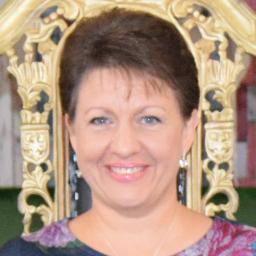
About Jurgita
Her clinical background began in oncology nursing, where she saw how physical illness and emotional distress often come together. That experience shaped her interest in psychological support and led her into counselling and hypnotherapy training. She lists BACP and NCPS among her credentials, which are noted as provided qualifications.
In sessions she uses an integrative style. Person-centred work sits at the heart of her approach, combined with mindfulness practices and techniques drawn from emotionally focused methods. She also uses EMDR for trauma-related material when appropriate and welcomed by the person she is working with.
Jurgita helps with a wide range of concerns, including depression, trauma and abuse, parenting stress, compassion fatigue and ADHD-related difficulties. She also focuses on issues linked to long-term illness, caregiving and end-of-life care, drawing on her healthcare experience to understand the overlap between physical and emotional strain.
People who choose her work can expect collaborative sessions that aim to clarify problems and build practical coping skills. To begin, readers are invited to use the site Start Therapy flow to match and schedule sessions according to the therapist's availability.
Areas of expertise
Primary focus
Also works with
Additional focus areas
Therapeutic approaches
Experience
10+ years
Credentials
BACP · United Kingdom, NCPS · United Kingdom
Languages
English
How her approaches translate to online work
Client-centred therapy focuses on listening and reflecting what matters most to the person, helping them feel heard and understood. This approach supports work on anxiety, low mood and everyday stress by creating space to clarify feelings and priorities.Emotionally-Focused Therapy helps people identify and shift patterns in how they connect with emotions and with others. It can be useful for processing grief, relationship strain and strong emotional reactions by helping people name and work with their feelings.
EMDR is a trauma-focused method that aims to reduce distress linked to specific memories. When it is used, the therapist works step by step to prepare a person, process targeted memories and consolidate calmer responses over time.
Finding the right approach is part of the therapeutic process. The therapist will work collaboratively to choose methods that fit each person’s needs, goals and comfort level, adapting the plan as work progresses.
If you are considering online sessions, check the booking information to confirm which session formats the therapist currently offers. Online work can make it easier to fit therapy into a busy life, reduce travel time and allow for shorter check-ins when needed. It also lets people continue therapy if appointments must flex around caregiving, work or treatment schedules.
Frequently asked questions
What kinds of problems does this counsellor address?
She helps people with stress, anxiety, grief, depression, trauma and abuse, relationship strain, parenting pressures, anger, low self-esteem, career worries, coping with life changes and compassion fatigue, among other concerns such as ADHD and chronic illness related issues.
How would you describe the therapy style?
The approach is integrative and client-centred, mixing listening-based work with mindfulness, emotionally focused techniques and EMDR when trauma processing is needed.
What is her professional background?
She has ten years of experience and a background in oncology nursing, which informed her move into counselling and psychological work.
Which credentials and location are listed?
The profile records BACP and NCPS as credentials, and the therapist practises in the United Kingdom.
In what language are sessions offered?
Sessions are offered in English.
Can people outside the UK receive therapy with this counsellor?
International clients are not currently accepted.
How are fees and payments handled?
Cost varies with location and therapist availability; sessions use a subscription model that can be cancelled at any time.
What should I do to begin working with this counsellor?
Use the Start Therapy button, complete a short matching questionnaire, and then schedule sessions according to the therapist's availability.