- Focus on self esteem
- Practical coping skills
- Flexible scheduling
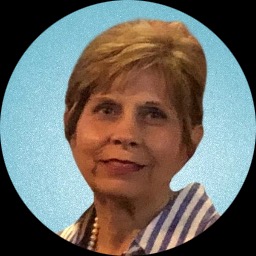
About Mary-Suzanne
She uses approachable methods to help clients reduce painful thoughts and build useful habits. Sessions center on identifying unhelpful patterns, testing small changes, and strengthening everyday coping skills. Mindfulness is woven into conversations to help people notice difficult feelings without getting overwhelmed.
Her background includes long-term work in nonprofit agencies and universities, and board service with community organizations in Michigan. That history informs a practical, resource-oriented approach that values real-world solutions and community ties. She also brings experience supporting people facing chronic illness, caregiver stress, and life transitions.
Mary-Suzanne frames therapy as a collaborative process. She listens for what matters most, then suggests short, focused goals clients can try between sessions. Progress is tracked through small, measurable steps rather than vague promises.
People looking for a steady, experience-based counselor will find a patient, respectful style here. Scheduling flexibility, including weekend and late-night options on request, can help clients fit work and caregiving demands into therapy.
Areas of expertise
Primary focus
Additional focus areas
Therapeutic approaches
Experience
30+ years
Credentials
Michigan
Languages
English
How therapeutic approaches guide online work
Mary-Suzanne often uses cognitive behavioral therapy, which focuses on spotting unhelpful thoughts and testing small behavior changes to reduce distress. CBT can help with depression, low self-esteem, and coping with life transitions.She also uses mindfulness therapy to help people pay attention to the present moment and notice emotions without reacting. That approach is useful for managing stress, compassion fatigue, and persistent negative thinking.
Finding the right approach is part of the process. The therapist works together with clients to choose methods that match their goals and preferences. Sessions may combine techniques and adjust over time based on what helps most.
Confirm current session options before booking, as formats are not listed here. In general, online work can make it easier to fit therapy into a busy day, allow shorter check-ins when schedules are tight, and reduce travel time for caregivers or people managing chronic illness. Ask about scheduling options such as evening or weekend appointments when you complete the matching questionnaire to align sessions with daily life.
Frequently asked questions
What concerns does Mary-Suzanne commonly address?
She supports people with self esteem, depression, coping with life changes, compassion fatigue, and coaching toward life purpose. She also works with issues like caregiver stress, chronic illness, body image, and attachment concerns.
What is the therapist's style in sessions?
Her style is warm and collaborative, with a focus on listening and setting small, practical goals. Sessions emphasize clear steps clients can try between meetings.
How long has she practiced?
She brings 30 years of clinical experience working in universities, nonprofit agencies, and community boards in Michigan.
What credential does she hold and where is she located?
She is an LPC, which stands for Licensed Professional Counselor, and her practice is based in Michigan.
Which languages are supported for sessions?
Sessions are offered in English.
Are international clients accepted?
International clients are not currently accepted.
How are fees and billing handled?
Cost varies with location and therapist availability, and sessions use a subscription that can be canceled at any time.
What are the steps to begin therapy?
Click the Start Therapy button, complete a short matching questionnaire, and then schedule based on the therapist's availability.