- Focused on caregiver stress
- Practical coping strategies
- Collaborative listening
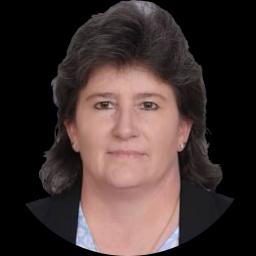
About Nancy
She uses a client-centered style that keeps the person’s concerns at the heart of sessions. That means listening closely, reflecting what comes up, and shaping the work around each person’s goals. She also draws on cognitive behavioral techniques to identify unhelpful thinking and habits, and solution-focused methods to build small, concrete steps forward.
Nancy works with many people facing caregiver stress, chronic illness or disability, aging and geriatric concerns, and hospice or end-of-life issues. She also supports those dealing with panic attacks, postpartum depression, and mood difficulties. Veterans and people coping with workplace strain are among the populations she has experience with.
Sessions are practical and collaborative. She helps people develop coping skills, improve communication, and reduce overwhelm. The goal is steady progress through manageable changes rather than sudden fixes.
Nancy accepts that each person’s path looks different. She encourages straightforward conversation about goals and what’s getting in the way. For people seeking help with caregiver strain, compassion fatigue, or making sense of a life transition, she offers focused, experienced support.
Areas of expertise
Also works with
Additional focus areas
Therapeutic approaches
Experience
25+ years
Credentials
New York
Languages
English
How Nancy’s approaches translate to online work
Client-Centered Therapy focuses on the person’s experience. The therapist listens without judgment, mirrors what matters, and follows the client’s lead to set goals. This approach helps when someone needs space to process grief, life changes, or caregiver strain.Cognitive Behavioral Therapy, or CBT, looks at links between thoughts, feelings, and actions. It uses simple exercises to test unhelpful thoughts and build new habits. CBT can help with anxiety, panic attacks, and mood challenges by giving concrete tools to practice between sessions.
Solution-Focused Therapy zeroes in on small, forward steps. It asks what would be different if things improved and then builds tiny experiments to move toward that picture. This method can be useful for people who want quick practical changes and clearer next steps.
Finding the right mix of methods is part of the work. The therapist will collaborate with each person to choose approaches that match their needs, goals, and preferences. That decision is based on regular conversation and adjustments as progress is made.
If you plan to try online sessions, confirm the current session options before booking. Many people find online work helpful because it can fit more easily into a busy day, allow shorter check-ins when needed, and reduce travel time. Discussing scheduling and session length makes it easier to match therapy to everyday life.
Frequently asked questions
What kinds of concerns does Nancy address?
She helps people with stress, anxiety, depression, grief, low self-esteem, and coping with life changes. There is also experience with compassion fatigue and issues tied to caregiving and chronic illness.
How would you describe her therapeutic style?
Her style is compassionate and collaborative. She listens closely, helps identify practical steps, and uses problem-solving alongside reflective listening.
What is her background and experience?
Nancy has 25 years of clinical experience working in New York with people facing life transitions, health concerns, and workplace stress.
What credentials does she hold and where is she based?
She holds an LCSW-R credential and practices in New York.
Which languages are sessions offered in?
Sessions are offered in English.
Can international clients work with her?
International clients are not currently accepted.
How are fees and payment handled?
Cost varies by location and therapist availability; sessions use a subscription that can be canceled at any time.
What do I do to begin working with her?
Select the Start Therapy button, complete a short matching questionnaire, and schedule sessions according to therapist availability.