- Stress and anxiety
- Trauma and abuse
- Practical coping tools
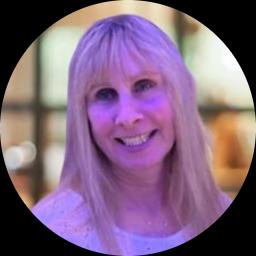
About Paula
Paula draws on a mix of approaches to shape sessions around each person. She listens first, then uses practical strategies such as solution-focused ideas and cognitive techniques to tackle unhelpful patterns. Mindfulness tools and client-centred listening are used to help people feel steadier in day-to-day life.
Her background includes four years of professional practice and registration with NCPS, which is shown as NCPS in her credentials. Paula aims to keep work straightforward, focusing on what matters most to each person rather than jargon or theory.
Many people come to Paula with complex issues such as attachment wounds, feelings of abandonment, chronic pain and caregiver stress. She offers space to talk about shame, guilt, money worries, life purpose and midlife transition in a way that feels manageable.
Sessions are shaped to client needs, mixing longer conversations with short practical tasks to try between meetings. Paula encourages small steps and realistic goals so progress feels tangible and linked to everyday life.
Areas of expertise
Also works with
Additional focus areas
Therapeutic approaches
Experience
4+ years
Credentials
NCPS · United Kingdom
Languages
English
Approaches that guide online work and choice
Paula uses client-centred counselling to prioritise what matters to each person. This approach involves active listening and helping clients steer the conversation towards their own goals. It is useful for anyone wanting a supportive space to talk things through.She also makes use of Cognitive Behavioral Therapy, or CBT, which looks at how thoughts and behaviours link to feelings. CBT offers practical exercises and small experiments to change unhelpful patterns, which can help with anxiety, low mood and stress.
Finding the right approach is a collaborative process. Paula will work with the client to decide which methods suit their needs, goals and preferences. That might mean mixing listening-led work with focused exercises, and checking in regularly to see what is helping.
If you are interested in online sessions, please confirm the exact session options before booking as formats are not specified here. Online work can make it easier to fit therapy into a busy life - for example by removing travel time, offering shorter check-ins when needed, or allowing attendance from a quieter place. Registered or accredited professionals use a variety of ways to run therapy, and Paula will discuss the most practical arrangement when you contact her.
Frequently asked questions
What kinds of concerns can be addressed?
Paula works with stress, anxiety, trauma and abuse, low self-esteem, depression and relationship problems. She also helps with issues like caregiver stress, chronic illness, money worries and feelings of isolation.
How would you describe Paula’s therapeutic style?
Her style is collaborative and client-centred, with a focus on practical strategies. Sessions combine listening with exercises drawn from cognitive and solution-focused approaches.
What experience does she bring?
She has four years of professional experience working with adults on a range of emotional and life challenges. That experience informs a pragmatic, down-to-earth approach.
What credentials and location are listed?
Paula’s credential is shown as NCPS and she is based in the United Kingdom.
Which languages are supported?
Sessions are offered in English.
Can people outside the UK work with Paula?
She is not currently taking international clients. Prospective clients should note that sessions are arranged within the United Kingdom context.
How are costs and billing handled?
Costs vary with location and therapist availability and sessions use a subscription that can be cancelled at any time.
How do I begin working with Paula?
Use the Start Therapy button, complete the short matching questionnaire, and then schedule according to the therapist’s availability.