- Compassionate support
- Reflective approach
- Carer-focused help
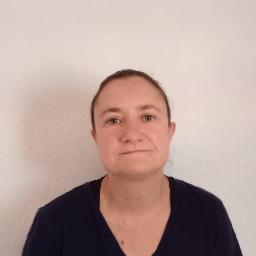
About Rachel
Rachel combines ideas from attachment-based, psychodynamic and client-centred work to suit each person’s needs. Sessions may look at what is happening now and at earlier life events that shape patterns. The emphasis is on gentle curiosity and understanding rather than quick fixes.
People come with a wide range of concerns including stress, grief, relationship and intimacy issues, compassion fatigue, identity questions around gender and sexuality, and long-term struggles like bipolar or chronic illness. Rachel also focuses on caregiver stress, chronic pain and challenges that come from prejudice and discrimination.
In sessions the tone is compassionate and non-judgemental. Rachel encourages clients to reflect on repeating patterns and to find moments of choice in everyday life. Practical steps and motivational conversations are used when helpful to support change.
Rachel aims to support people through major life changes, work difficulties and questions about life purpose. The work is collaborative and paced to the individual, with respect for each person’s story and goals.
Areas of expertise
Primary focus
Also works with
Additional focus areas
Therapeutic approaches
Experience
13+ years
Credentials
BACP · United Kingdom
Languages
English
How these approaches shape online therapy
Attachment-based work emphasises relationships and how early bonds influence how people feel and behave now. It can help with anxiety, issues of trust and relationship difficulties by tracing patterns and offering new ways of relating. Client-centred work focuses on the person in front of the counsellor, offering empathetic listening and support so people can find their own answers and grow self-understanding.Rachel aims to work collaboratively to find the best fit. Early sessions involve talking about your goals, what has helped before and what doesn’t work for you. Together you will try different ways of working and agree what feels most helpful as the work continues.
If you are considering online work, check the current session options before booking as the profile does not list formats. Online therapy can make it easier to fit sessions around caring commitments, work and travel, and it can reduce time spent on journeys. Some formats also make short check-ins simpler when life is busy, and others suit conversations that need more face-to-face contact. Registered or accredited professionals and therapists will discuss which way of meeting best suits your needs and daily routine.
Frequently asked questions
What kinds of problems does Rachel help with?
She works with stress, anxiety, depression, trauma and addiction as well as relationship and intimacy issues. Additional focus areas include caregiver stress, chronic illness and identity concerns.
How would you describe the therapeutic style?
The approach is warm, non-judgemental and collaborative. Sessions blend attachment-based, client-centred and psychodynamic ideas tailored to the person.
What background and experience does Rachel have?
Rachel has 13 years of therapy experience and many more years working in mental health settings. That background informs work with complex and long-running issues.
What credentials and region are listed for the therapist?
Rachel is registered with the British Association for Counselling and Psychotherapy, shown as BACP, and practises in the United Kingdom.
Which languages are supported for sessions?
Sessions are offered in English for UK and international clients.
What session formats are available?
The original profile does not specify session formats, so confirm current options before booking to know whether sessions are online, telephone or face to face.
How are costs and billing handled?
Costs vary with location and therapist availability and sessions use a subscription that can be cancelled at any time.
How do I begin working with Rachel?
Use the Start Therapy button, complete a short matching questionnaire, and then schedule sessions according to therapist availability.