- Anxiety and depression
- Family and caregiver stress
- Trauma-informed support
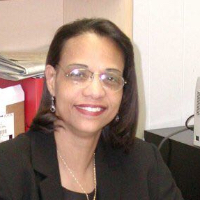
About Rhonda
Her style centers on clear, practical conversations. She draws on attachment-based ideas to look at how early bonds affect current relationships. She also uses client-centered and cognitive behavioral strategies to help people notice patterns and try new ways of coping.
Rhonda has handled a wide range of family-related situations. She supports people dealing with divorce and separation, blended family challenges, adoption and foster care issues, and caregiver stress. She also works with those recovering from domestic violence, abandonment, and infidelity.
In trauma work she focuses on helping people rebuild safety in their day-to-day lives and reduce intense reactions over time. For mood and postpartum concerns she helps clients identify small changes that can improve daily functioning. Motivational interviewing and solution-focused techniques are used when clients want structured steps toward change.
People who meet with Rhonda can expect straightforward, compassionate guidance. She prioritizes listening first and then collaborates on goals. To begin, clients select the Start Therapy button and complete a short matching questionnaire before scheduling according to therapist availability.
Areas of expertise
Primary focus
Also works with
Additional focus areas
Therapeutic approaches
Experience
13+ years
Credentials
Connecticut
Languages
English
How therapeutic approaches shape online support
Rhonda uses attachment-based work to look at how early relationships influence current behavior and feelings; this helps when relationship patterns and caregiver roles cause stress. Client-centered therapy is about listening closely and following the person’s lead to clarify what matters most. Cognitive Behavioral Therapy (CBT) focuses on identifying unhelpful thoughts and practicing different responses to reduce anxiety or low mood.Choosing an approach is a collaborative process. The therapist will talk about options, try methods that fit the client’s goals, and adjust the plan as needed. Clients help set priorities and decide which techniques feel most useful during sessions.
Confirm current session options before booking since formats were not specified in the biography. Online therapy can make it easier to fit sessions around work, caregiving, and busy family schedules. It can reduce travel time, allow shorter check-ins when needed, and let people join from a quieter setting when that helps. Licensed professionals can adapt attachment, client-centered, and CBT strategies to an online setting so work focuses on practical skills, clearer communication, and step-by-step changes.
Frequently asked questions
What concerns does Rhonda commonly address?
She works with stress, anxiety, depression, trauma and abuse, relationship and family problems, and addictions. Additional focuses include caregiver stress, postpartum depression, attachment issues, and problems related to adoption and blended families.
What is her general therapeutic style?
She combines attachment-based, client-centered, and cognitive behavioral approaches. Sessions tend to focus on understanding relationship patterns and trying practical coping strategies.
How much clinical experience does she have?
Rhonda has 13 years of experience working with individuals through complex life challenges and family-related concerns.
What credentials and region are listed?
She is a Licensed Professional Counselor (LPC) practicing in Connecticut as indicated in her profile.
Which languages are available for sessions?
Sessions are offered in English.
Are international clients supported?
International clients are not currently accepted.
How does cost and payment work?
Cost varies with location and therapist availability; sessions use a subscription that can be canceled at any time.
What are the first steps to begin therapy?
Use the Start Therapy button, complete a short matching questionnaire, and then schedule according to therapist availability.