- Educational approach
- Skill building
- Respectful listening
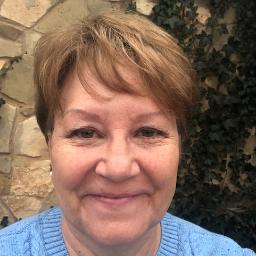
About Rhonda
Her style is educational and collaborative. Sessions often begin by identifying immediate concerns and learning simple coping skills that can be used right away. She helps people break larger changes into smaller steps so progress feels manageable rather than overwhelming.
Rhonda draws on client-centered work to listen and affirm each person’s experience. She also uses cognitive behavioral techniques to spot unhelpful thinking patterns and build different ways of reacting. Motivational interviewing and solution-focused ideas help clarify goals and find practical next steps.
She has supported people dealing with grief, trauma, family of origin issues, codependency, narcissistic dynamics, bipolar mood challenges, and compassion fatigue. Caregiver issues and the stress of supporting others are a particular focus, and she offers a calm space to talk through those strains.
Rhonda welcomes conversations about what someone needs and tailors sessions to fit those goals. Her approach is steady, kind, and aimed at helping people learn new coping skills and regain a sense of control over everyday life.
Areas of expertise
Also works with
Additional focus areas
Therapeutic approaches
Experience
15+ years
Credentials
Texas
Languages
English
Approaches that guide online sessions
Rhonda uses client-centered therapy to create a respectful space where the person sets the pace and topics. This approach focuses on listening, understanding each person’s perspective, and supporting their own goals and choices.She also uses cognitive behavioral therapy, which looks at how thoughts, feelings, and actions interact. CBT helps spot patterns that increase stress or low mood and introduces small, practical changes that reduce their impact on daily life.
Finding the right approach is part of the work together. Rhonda will discuss goals, preferences, and what has or hasn’t helped before to choose methods that fit. The process is collaborative, and she adjusts techniques as needed to match each person’s needs.
The practical benefit of online sessions is that therapy can fit into a busy life. Please confirm the current session formats before booking. Online work can make it easier to schedule shorter check-ins, avoid travel time, or choose audio-only conversations when bandwidth or camera time is limited. These options can help people keep therapy consistent alongside caregiving and other daily demands.
Frequently asked questions
What concerns does she commonly help with?
She works with stress, anxiety, depression, relationship difficulties, grief, caregiving strain, self-esteem problems, ADHD, and related family issues.
What is her therapeutic style like?
Her style is educational and collaborative, focusing on listening, practical skill building, and small steps toward change.
How much experience does she have?
Rhonda has been providing therapy for 15 years, working with a wide range of concerns across that time.
What credentials and location are listed?
She is a Licensed Clinical Social Worker, LCSW, licensed in Texas and practices there.
Which languages are offered and can international clients connect?
Sessions are offered in English, and she does accept international clients.
What session formats are available?
The original biography does not specify session formats; please confirm current session options before booking.
How does payment and cost work?
Cost varies with location and therapist availability; sessions use a subscription that can be canceled at any time.
What should I do to begin working with her?
Select the Start Therapy button, complete the short matching questionnaire, and schedule according to the therapist's availability.