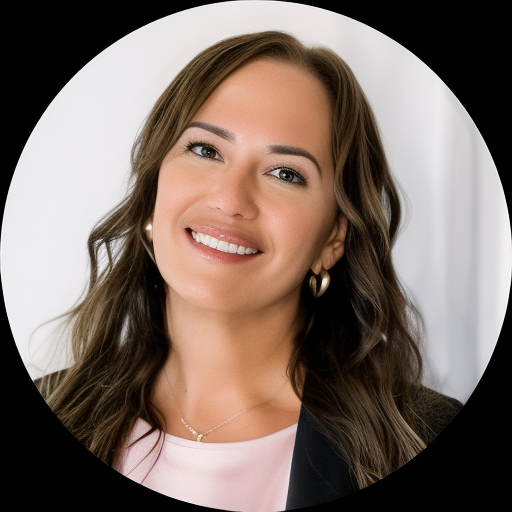
- Person-centered approach
- Evidence-based tools
- Supports caregivers
About Sally
Sessions start with a warm welcome and a short history to understand why someone is seeking help. She focuses on what the person wants to work on and on building rapport before moving into practical steps. Conversations are collaborative and paced to each person's needs.
Sally uses evidence-based therapeutic techniques to offer concrete tools for managing symptoms like panic, low mood, or overwhelming stress. She addresses relationship patterns, communication problems, and issues tied to attachment and abandonment. Practical skills may include emotion regulation strategies and clearer ways to set boundaries.
She also works with concerns common to caregivers, such as caregiver stress and the strain of balancing responsibilities. Additional focuses include autism and Asperger Syndrome, body image, blended family issues, divorce and separation, guilt and shame, and feelings of isolation or purposelessness.
Her style is approachable and steady. People describe sessions as relaxed and focused on usable steps. The goal is to leave therapy with clearer tools for daily life and a better sense of direction.
Areas of expertise
Additional focus areas
Experience
3+ years
Credentials
California
Languages
English
How evidence-based methods translate to online work
Sally draws on evidence-based therapeutic techniques to guide sessions in clear, practical ways. One common approach she uses focuses on teaching emotion regulation and coping skills so people can manage anxiety and panic in daily life. This involves step-by-step practice and short exercises to try between meetings.Another key technique emphasizes improving communication and attachment patterns. That work helps people notice interaction habits, try new ways of speaking, and repair strained relationships over time. It can be useful for those dealing with abandonment concerns or ongoing family stress.
Deciding which approach to use is a collaborative process. The therapist and client review goals, preferences, and progress together and adjust methods as needed. Sally aims to match techniques to what feels most helpful for each person rather than applying the same plan to everyone.
Many people find online therapy easier to fit into a busy life because it can reduce travel and allow scheduling around caregiving or work. If you are considering sessions, confirm the current session options before booking so you know how meetings will be held. Online work can make it simpler to keep regular appointments and practice skills between sessions without promising a specific format.
Frequently asked questions
What concerns does Sally help with?
Sally works with people facing stress, anxiety, depression, trauma and abuse, low self-esteem, and coping with life changes. She also focuses on caregiver issues, attachment and abandonment, and relationship and communication problems.
What is her therapeutic style like?
The approach is compassionate and person-centered, with collaborative goal-setting. Sessions aim to be practical and focused on skills you can use between meetings.
How much clinical experience does she have?
She has three years of experience as a clinician working with a range of mood, trauma, and relationship concerns.
What credentials and region are listed?
She is a CA LPCC, which stands for Licensed Professional Clinical Counselor in California, and she practices in that state.
Which languages are sessions offered in?
Sessions are offered in English.
Can international clients work with her?
She is not currently accepting international clients.
How are sessions scheduled and paid for?
Cost varies with location and therapist availability and sessions use a subscription that can be canceled at any time.
How do I begin therapy with Sally?
Click the Start Therapy button, complete a short matching questionnaire, and then schedule according to her availability.