- Compassionate listening
- Goal focused work
- Practical skills
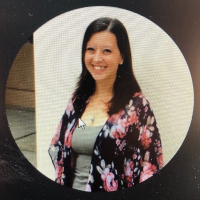
About Sarah
Sarah uses plain language and an interactive style in sessions. She listens first, then helps clients set clear goals. Conversations are tailored to each person's needs rather than following a fixed script. The focus is on practical steps clients can try between meetings.
Her background includes outpatient work, child welfare, addiction treatment, nursing homes, and extended day treatment programs for children. She has worked with people across a wide age span, and brings that variety into how she frames support and suggestions. This practical experience shapes a flexible, problem-solving approach.
Therapeutic methods include client-centered care, cognitive behavioral strategies, mindfulness, solution-focused work, and trauma-focused techniques. Sarah blends these methods to match what each client needs rather than insisting on one single path. She avoids stigmatizing labels and treats people with respect and sensitivity.
Sarah encourages small, doable changes and helps clients build skills to manage strong emotions, improve communication, and reduce stress. She invites people who are ready for change to take the next step toward feeling more capable and balanced.
Areas of expertise
Primary focus
Also works with
Additional focus areas
Therapeutic approaches
Experience
6+ years
Credentials
Connecticut
Languages
English
Approaches and what online therapy can offer
Client-centered therapy focuses on listening and responding to your concerns with respect and empathy. It helps people feel understood and guides them to set their own goals. Cognitive Behavioral Therapy, or CBT, looks at the link between thoughts, feelings, and behavior and teaches practical skills to change patterns that cause distress. Mindfulness Therapy uses simple attention and breathing practices to reduce overwhelm and increase focus in daily life.Choosing the right approach is part of the work together. The therapist will collaborate with each person to decide which methods fit best based on goals, comfort, and what has helped before. That plan can change as progress is made and new needs emerge.
Confirm current session options before booking so you know what formats are offered. Online therapy can make it easier to fit sessions into a busy week, reduce travel time, and allow shorter check-ins when a quick update is useful. It can also make sessions accessible when someone needs support from a different room or during a break at work. Talk with the therapist about what will work best for scheduling and the kinds of in-session activities to expect.
Frequently asked questions
What concerns does Sarah commonly help with?
She works with stress, anxiety, depression, trauma and related issues like grief, parenting strain, caregiver stress, and intimacy or relationship concerns.
How would you describe her therapeutic style?
Her style is warm and interactive. She listens first, then helps set concrete goals and practical steps to try between sessions.
What kind of experience does she bring?
Sarah has six years of professional experience across outpatient care, child welfare, addiction treatment, nursing homes, and extended day programs for children.
What are her credentials and location?
She is a Connecticut Licensed Clinical Social Worker (LCSW) practicing in Connecticut.
Which languages are offered for sessions?
Sessions are offered in English.
Does she work with clients outside the United States?
International clients are not currently accepted.
How are costs and billing handled?
Cost varies with location and therapist availability; sessions use a subscription that can be canceled at any time.
What are the first steps to begin therapy?
Use the Start Therapy button, complete a short matching questionnaire, and schedule a session according to the therapist's availability.