- Trauma-informed approach
- Caregiver support
- Practical coping tools
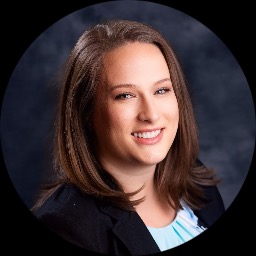
About Tabatha
Tabatha believes clients are the experts on their lives and brings that respect into each session. She listens for strengths and patterns, then helps people try different ways of coping. Sessions focus on practical strategies, clearer communication, and small changes that add up over time.
Her background includes long-term clinical work in Michigan with people affected by abuse, addiction, attachment concerns, and post-traumatic stress. That experience informs how she helps clients who are navigating adoption or foster care questions, isolation, or the fallout from domestic violence.
Tabatha also supports parents and caregivers dealing with stress, burnout, and the emotional strain of caring for others. She offers a calm, nonjudgmental space to sort priorities, set boundaries, and rebuild energy for caregiving roles.
For people wondering how to begin, she asks straightforward questions to match therapy to real life. The goal is clearer thinking and more usable tools, not quick fixes. Clients leave sessions with next steps they can actually try between meetings.
Areas of expertise
Primary focus
Additional focus areas
Experience
15+ years
Credentials
Michigan
Languages
English
Therapeutic approaches and how they work online
Many clients benefit from evidence-based therapeutic techniques that focus on practical change. One common approach helps people process trauma by identifying unhelpful thoughts and slowly testing new ways of thinking and responding. This can reduce intense reactions and make daily life feel more manageable.Another useful method focuses on skills for emotional regulation and coping. It teaches concrete tools for managing stress, reducing self-harm urges, and handling overwhelming feelings. These skills are practiced in session and then used in real situations between meetings.
Finding the right approach is a collaborative process. The therapist will talk with the client about goals, preferences, and what has or hasn’t worked before. Together they decide which techniques to try and adjust the plan as progress is made.
Online therapy can make it easier to fit sessions into a busy life. It can reduce travel time and allow for appointments during work breaks or from different locations. The biography does not list specific session formats, so confirm available options before booking. Licensed professionals can use online sessions to teach skills, review progress, and plan next steps in ways that fit each person’s routine.
Frequently asked questions
What kinds of problems does Tabatha help with?
She helps people coping with trauma and abuse, depression, parenting struggles, and major life changes. Caregiver stress and compassion fatigue are also common topics she addresses.
How would you describe her therapeutic style?
Her approach is collaborative and down-to-earth. She listens for strengths, suggests practical strategies, and focuses on steps clients can try between sessions.
What is her clinical background?
Tabatha has 15 years of clinical experience working in Michigan with people affected by trauma, addiction, attachment issues, and post-traumatic stress.
What credentials and region are listed?
She holds an LMSW, which is listed as MI LMSW, and practices in Michigan.
Does she work in languages other than English or with international clients?
Sessions are offered in English. She does accept international clients.
Which session formats does she offer?
The original biography does not list specific session formats. Please confirm current session options before scheduling.
How much do sessions cost?
Cost varies by location and therapist availability. Sessions use a subscription that can be canceled at any time.
What do I do to start working with her?
Select the Start Therapy button, complete a short matching questionnaire, and schedule according to therapist availability.