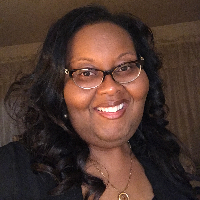
- Practical coping skills
- Goal focused
- Empathic listener
About Tammy
She speaks plainly in sessions and focuses on practical steps people can use right away. Sessions aim to create space to talk things through, learn coping skills, and test small changes that can make daily life easier. She encourages clients to notice what matters to them and to try approaches that fit their values and routines.
Her background includes work in hospital settings, nonprofit agencies, and private practice. That mix shaped her ability to adapt methods to different concerns and life stages. She often draws on client-centered work to follow the person’s priorities, and on cognitive behavioral ideas to tackle unhelpful thinking and behaviors.
Dr. Freeman also uses psychodynamic perspectives to look at patterns that repeat over time. Solution-focused strategies are used when people want quick, practical steps toward specific goals. Her style is conversational and goal-oriented, balanced with attention to feelings and personal history.
People who connect with her often want straightforward guidance and space to reflect. She aims to help clients find clearer direction, reduce overwhelm, and build small habits that add up. To begin, readers are asked to use the site’s Start Therapy flow and complete a short matching questionnaire.
Areas of expertise
Primary focus
Also works with
Additional focus areas
Therapeutic approaches
Experience
21+ years
Credentials
New Jersey, New York
Languages
English
How Dr. Freeman’s Approaches Fit Online Care
Client-Centered Therapy focuses on listening closely to what matters to the person. It helps when someone wants a therapist who follows their priorities and validates their experience. Cognitive Behavioral Therapy (CBT) looks at thoughts and behaviors that keep problems going and teaches concrete skills to change them. CBT is often helpful for anxiety, depression, and stress.Finding the right approach is part of the work. The therapist will talk with clients about their goals and preferences, and together they will try methods that feel useful. This collaborative process makes it clearer which techniques to emphasize over time.
The biography does not list specific online session formats, so confirm which options are available before booking. Online therapy can make it easier to fit sessions into a busy week, shorten commutes, and keep check-ins consistent. Some session types also let people use phone-only visits when bandwidth is limited or brief video check-ins when time is tight. Overall, working remotely can help maintain steady progress while accommodating daily life.
Frequently asked questions
What concerns does she commonly help with?
She supports people with stress, anxiety, depression, relationship strain, parenting challenges, grief, trauma, addictions, caregiver stress, and related issues.
What is her general style in therapy?
Her approach is conversational and focused on practical steps. Sessions combine listening with skill-building and goal planning.
How long has she worked in behavioral health?
She has 21 years of experience across hospitals, nonprofit agencies, and private practice settings.
Where is she based and what are her credentials?
She practices in New Jersey and holds the credentials LPC and LMHC as listed.
Does she offer sessions in other languages or to international clients?
Sessions are offered in English and she does not accept international clients at this time.
What session formats are available?
The biography does not list specific session formats. Please confirm current session options before booking.
How are fees handled for therapy?
Cost varies with location and therapist availability; sessions use a subscription that can be canceled at any time.
How do I begin working with her?
Select the Start Therapy button, complete a short matching questionnaire, and schedule according to therapist availability.