- Person-centered care
- Mindfulness practices
- Trauma-informed focus
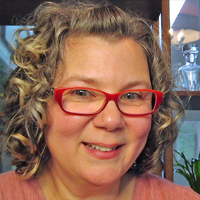
About Tanya
Tanya’s approach is person-centered and warm. She listens first to understand what matters most to each person. Sessions are shaped around the issues a person brings and the goals they want to reach. She avoids labeling and focuses on practical steps clients can try between meetings.
Her methods include client-centered therapy, cognitive behavioral therapy, mindfulness techniques, solution-focused work, and trauma-focused practices. She often pairs talk therapy with breathing exercises, guided meditation, and movement-based ideas such as Qi Gong when appropriate. These tools are used to build coping skills and self-care routines that fit daily life.
Tanya emphasizes dignity and respect in every session. She helps clients weigh options, plan next steps, and find purpose or meaning after loss and change. Her style is reflective and engaging, aimed at helping people feel heard and more able to handle their challenges.
To begin, readers can use the site’s Start Therapy flow to complete a short matching questionnaire and schedule according to therapist availability. Tanya supports people seeking a calmer, more manageable path through difficult life moments.
Areas of expertise
Also works with
Additional focus areas
Therapeutic approaches
Experience
26+ years
Credentials
North Carolina
Languages
English
How Tanya uses therapy approaches online
Tanya combines client-centered work with cognitive behavioral and mindfulness techniques to meet different needs. Client-centered therapy focuses on listening and tailoring sessions to what matters most to the person, which helps when someone needs a safe space to talk through stress or life change. Cognitive behavioral therapy looks at connections between thoughts, feelings, and behaviors and helps people test small changes that can ease anxiety or improve mood. Mindfulness therapy emphasizes simple attention skills such as breathing and guided meditation to reduce tension and increase focus.Finding the right approach is part of the process. Tanya will work collaboratively to identify which methods fit a person’s goals and day-to-day life. She adjusts techniques as progress and preferences become clearer so work stays practical and relevant.
Session formats are not specified in the biography, so confirm current options before booking. Online therapy can make it easier to fit sessions into a busy week, reduce travel time, and allow shorter check-ins when schedules are tight. It can also let someone practice mindfulness exercises or breathing techniques in the moment between meetings, helping skills transfer into everyday routines.
Frequently asked questions
What kinds of concerns does Tanya help with?
Tanya works with stress, anxiety, grief, self-esteem, coping with life changes, compassion fatigue, trauma and abuse, and career questions. She also focuses on caregiver issues, aging and geriatric concerns, hospice and end-of-life matters, and isolation.
How would you describe her therapeutic style?
Her style is person-centered, warm, and reflective. She listens to what matters to each person and customizes sessions to their needs.
How much experience does she have?
She has 26 years of experience working in social work and counseling settings.
What credentials and region does she practice from?
She is an LCSW licensed in North Carolina and practices from that state.
Which languages are sessions offered in?
Sessions are offered in English.
Can people outside the United States work with her?
She is not currently accepting international clients.
How are costs and billing handled?
Cost varies with location and therapist availability, and sessions use a subscription that can be canceled at any time.
What are the steps to get started?
Click the Start Therapy button, complete a short matching questionnaire, and then schedule sessions according to therapist availability.