
Shawanna Eugene
LPCNew Jersey · 25 yrs exp
Experienced counselor helping carers and adults
Stress, Anxiety · Family · Anger · Self esteem · +1 more
Read profileTherapist listings are provided by BetterHelp. We will earn a commission at no extra cost to you if you use our links to buy.
Welcome to our directory of online therapists serving New Jersey. All therapists listed here are licensed; explore profiles to learn about their approaches, specialties, languages, and experience.
New Jersey · 25 yrs exp
Experienced counselor helping carers and adults
Stress, Anxiety · Family · Anger · Self esteem · +1 more
Read profile
New Jersey · 20 yrs exp
Compassionate counselor for life transitions
Stress, Anxiety · Addictions · Family · Trauma and abuse · +6 more
Read profile
New Jersey · 25 yrs exp
Experienced LCSW helping people through life changes
Stress, Anxiety · Relationship · Grief · Depression · +1 more
Read profile
New Jersey · 6 yrs exp
Compassionate, practical support for daily stress
Stress, Anxiety · Self esteem · Bipolar · Depression · +1 more
Read profile
New Jersey · 10 yrs exp
Practical, collaborative care for stress and trauma
Stress, Anxiety · Relationship · Trauma and abuse · Depression · +1 more
Read profile
New Jersey · 19 yrs exp
Compassionate, practical support for family and caregiving strain
Stress, Anxiety · Family · Parenting · Self esteem · +1 more
Read profile
New Jersey · 10 yrs exp
Support for change and relationships
Stress, Anxiety · Relationship · Family · Grief · +1 more
Read profile
New Jersey · 15 yrs exp
Compassionate, practical support for life changes
Stress, Anxiety · Family · Trauma and abuse · Parenting · +10 more
Read profile
New Jersey · 21 yrs exp
Compassionate counselor focused on practical change
Stress, Anxiety · Grief · Anger · Bipolar · +11 more
Read profile
New Jersey · 3 yrs exp
Calm, practical support for everyday stress
Stress, Anxiety · Relationship · Family · Parenting · +11 more
Read profile
New Jersey · 21 yrs exp
Experienced counselor for life’s challenges
Stress, Anxiety · Family · Self esteem · Depression · +11 more
Read profile
New Jersey · 22 yrs exp
Compassionate, practical therapy for caregivers and parents
Stress, Anxiety · Family · Trauma and abuse · Grief · +9 more
Read profile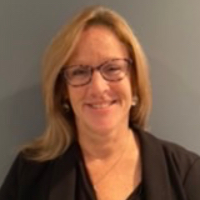
New Jersey · 18 yrs exp
Experienced LCSW focused on caregiving stress
Stress, Anxiety · Relationship · Grief · Depression · +11 more
Read profile
New Jersey · 30 yrs exp
Experienced LCSW focused on practical support
Stress, Anxiety · Addictions · Self esteem · Career · +15 more
Read profile
New Jersey · 25 yrs exp
Compassionate counselor for life transitions
Stress, Anxiety · Trauma and abuse · Grief · Career · +9 more
Read profile
New Jersey · 12 yrs exp
Compassionate therapy for adults facing life stressors
Stress, Anxiety · Depression · Coping with life changes · Relationship · +8 more
Read profile
New Jersey · 30 yrs exp
Practical therapy for stress, grief, and caregiving
Stress, Anxiety · Relationship · Grief · Parenting · +9 more
Read profile
New Jersey · 25 yrs exp
Resilient support for caregivers and individuals
Stress, Anxiety · Addictions · Relationship · Family · +14 more
Read profile
New Jersey · 35 yrs exp
Experienced New Jersey psychologist focused on practical support
Stress, Anxiety · Trauma and abuse · Grief · Depression · +15 more
Read profile
New Jersey · 25 yrs exp
Supportive, practical therapy for everyday challenges
Self esteem · Stress, Anxiety · Relationship · Family · +6 more
Read profile
New Jersey · 3 yrs exp
Compassionate practical support for caregivers and more
Stress, Anxiety · Grief · Self esteem · Depression · +6 more
Read profile
New Jersey · 17 yrs exp
Supportive therapist for caregivers and individuals
Stress, Anxiety · Addictions · Grief · Depression · +3 more
Read profile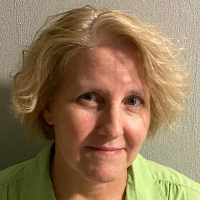
New Jersey · 17 yrs exp
Compassionate LCSW focused on practical support
Stress, Anxiety · Grief · Anger · Self esteem · +7 more
Read profile
New Jersey · 22 yrs exp
Practical, goal-focused counseling for caregivers and more
Stress, Anxiety · Addictions · LGBT · Relationship · +12 more
Read profileIf you live in New Jersey and are considering remote mental health services, you will find a range of clinicians offering sessions by video and sometimes by phone. Over the last several years, many providers have adopted remote sessions as a regular part of practice, making it easier to connect from cities, suburbs, and rural communities across the state. Online therapy can take many forms. Some therapists use structured sessions that emphasize skills and goal-setting, while others focus on exploratory, relational work. You will encounter clinicians with different licenses, including counselors, social workers, psychologists, and other mental health professionals who are authorized to practice in New Jersey.
Regulatory rules require that a clinician practicing remotely with residents of New Jersey be properly licensed to do so in the state. That licensing framework exists to help you verify that a clinician has met state requirements. While this directory lists therapists who serve New Jersey remotely, the specific ways each therapist structures online sessions, the platforms they use, and the range of approaches they emphasize can vary. Reading profiles and bios will help you understand how individual clinicians describe their work and which settings they serve.
Online therapy offers practical benefits you may appreciate in your daily routine. Because you do not have to travel to an office, you can save time that would otherwise be spent commuting, parking, and waiting. This can be especially helpful if you live in a suburban or rural part of New Jersey where travel distances to clinicians may be longer, or if you juggle work, family, and caregiving responsibilities. For many people, the convenience of attending a session from home or another comfortable setting makes it easier to keep consistent appointments and follow through on therapeutic work.
Beyond convenience, remote sessions can increase access to clinicians who speak your language or who specialize in issues that matter to you. You may be able to connect with a therapist who lists experience with your cultural background or who offers services in a particular language, even if that clinician is not located near you. Online work can also support continuity when life requires travel or relocation within the state. When you plan a session, consider where you will be during the appointment so you can choose a place that allows you to focus and speak freely without interruption.
Online therapists address a wide spectrum of concerns that many people seek help for. Anxiety and mood-related difficulties are among the most common reasons people begin therapy, and you'll find clinicians who describe experience working with worry, panic, low mood, and stress management. Relationship challenges - whether between partners, family members, or coworkers - are another frequent area of focus, and some therapists list specialties in couples work or family dynamics. Life transitions such as career changes, caregiving shifts, and relocation within New Jersey are also common topics in sessions.
Trauma-related symptoms, grief and loss, parenting and child behavior guidance, and challenges related to identity and sexuality are topics that online clinicians frequently address in their profiles. If you are interested in particular therapeutic approaches, you may see therapists who list cognitive-behavioral approaches, psychodynamic perspectives, mindfulness-based methods, or who list EMDR among their approaches. Remember that a listing of an approach indicates that a therapist uses or highlights that method in their practice; it does not serve as a statement of specialized credentialing. Reviewing a clinician's description can help you understand how they describe the kinds of concerns they commonly work with and the ways they approach that work.
Before you begin sessions with an online therapist, it is reasonable to verify that the clinician holds the appropriate New Jersey license. Start by noting the clinician's full name as it appears on their profile and the license type they list - for example, psychologist, clinical social worker, or professional counselor. Use the official New Jersey state licensing portal or the Division of Consumer Affairs license verification search to look up that name and license type. The search will typically show whether a license is active, the license number, the expiration date, and any disciplinary actions that may be listed on public record.
If you are unsure where to find the state verification tool, the New Jersey consumer protection pages and professional licensing boards provide links and contact information. You can contact the state board by phone or email to ask general questions about licensure verification procedures. When you review a profile, also consider checking educational background and years in practice as reported by the clinician, and inquire directly if you want clarification about a license level, supervision arrangements, or other professional details. Keeping a record of the license lookup results can give you additional peace of mind as you move forward.
Starting therapy can feel overwhelming, but approaching the process in small steps can make it manageable. Begin by thinking about what you want from therapy in the near term - are you seeking coping strategies for anxiety, support through grief, help navigating a relationship, or a space to explore long-standing patterns? Use the directory to filter or read profiles by approach, areas of focus, language, and professional background. When you find clinicians whose descriptions resonate with you, read their bios carefully to get a sense of their style and what they emphasize in sessions.
After narrowing your list, prepare a short set of questions to ask when you contact a clinician. You might ask about the kinds of issues they commonly address, how they structure sessions, what a typical first few meetings look like, and what technology or platform they use for remote sessions. You can also inquire about fees, accepted payment methods, and whether they provide documentation you may need for insurance reimbursement. Gathering this practical information helps you decide which clinicians feel like a good fit for your needs and logistics.
Choosing the right therapist is a personal decision that combines professional fit and personal comfort. Look for clinicians who describe experience with the issues you want to address and who use approaches that match how you like to work - for instance, a problem-focused approach that emphasizes skills and homework, or a more reflective approach that explores patterns and relationships. Pay attention to language and tone in a profile: some clinicians write in a straightforward, directive style while others adopt a warm, collaborative voice. If you prefer sessions in a language other than English, prioritize clinicians who list that language in their profiles.
Practical considerations also matter. Think about scheduling norms, whether you prefer shorter or longer sessions, and the technological setup you have at home for video meetings. When you first meet a therapist, you are allowed to assess how well the conversation aligns with your expectations. If an initial conversation does not feel like the right match, it is acceptable to try another clinician until you find someone whose approach and presence support the work you want to do. Trust your judgment about how a clinician communicates and whether you feel heard; therapy is a collaborative process, and finding someone you can work with is an important step toward making progress on the goals you set for yourself.
Whether you are new to therapy or returning after a break, this directory aims to help you find licensed clinicians in New Jersey who offer remote sessions and describe a range of approaches and specialties. Take your time reading profiles, verify licensure through official state resources, and reach out to clinicians to ask the practical questions that matter to you. With clear information and a thoughtful approach, you can find a clinician whose style and experience align with your needs and priorities.
ADHD
780 therapists
Anger
1007 therapists
Autism
424 therapists
Cancer
343 therapists
Chronic Illness
820 therapists
Depression
2746 therapists
Grief
1980 therapists
Guilt and Shame
2544 therapists
Intellectual Disability
202 therapists
Isolation / Loneliness
2560 therapists
Midlife Crisis
1141 therapists
Mood Disorders
1676 therapists
Panic Disorder and Panic Attacks
1495 therapists
Post-Traumatic Stress
1832 therapists
Self Esteem
2651 therapists
Sleeping Disorders
259 therapists
Stress & Anxiety
3437 therapists
Trauma and Abuse
1981 therapists
Traumatic Brain Injury
92 therapists
Adoption
450 therapists
Aging and Geriatric Issues
691 therapists
Blended Family Issues
843 therapists
Career
1011 therapists
Caregiver Issues and Stress
3797 therapists
Communication Problems
2936 therapists
Compassion Fatigue
981 therapists
Coping with Life Changes
2518 therapists
Divorce
1804 therapists
Family
1666 therapists
Forgiveness
2322 therapists
Hospice and End-of-Life Counseling
577 therapists
Life Purpose
2710 therapists
Money and Financial Issues
694 therapists
Parenting
1345 therapists
Relationship
2244 therapists
Self-Love
2710 therapists
Workplace Issues
1916 therapists