
Julie Duncan
MN Psychologist LP4663Minnesota · 3 yrs exp
Practical, compassionate help for carers and parents
Stress, Anxiety · Addictions · Relationship · Trauma and abuse · +8 more
Read profileTherapist listings are provided by BetterHelp. We will earn a commission at no extra cost to you if you use our links to buy.
Welcome to CaringToo.org’s Minnesota directory for online therapists. All listed therapists are licensed in Minnesota; explore profiles to compare approaches, languages, and professional backgrounds as you look for a good fit.
Minnesota · 3 yrs exp
Practical, compassionate help for carers and parents
Stress, Anxiety · Addictions · Relationship · Trauma and abuse · +8 more
Read profile
Minnesota · 5 yrs exp
Practical counseling for stress and life change
Stress, Anxiety · Addictions · Self esteem · Career · +1 more
Read profile
Minnesota · 15 yrs exp
Guided, practical therapy for adults
Stress, Anxiety · Relationship · Grief · Eating · +1 more
Read profile
Minnesota · 4 yrs exp
Affirming, trauma-informed therapy focused on relationships
Stress, Anxiety · LGBT · Relationship · Family · +1 more
Read profile
Minnesota · 6 yrs exp
Compassionate, practical therapy for everyday challenges
Stress, Anxiety · Relationship · Family · Depression · +1 more
Read profile
Minnesota · 29 yrs exp
Practical, collaborative therapy for caregivers
Stress, Anxiety · Grief · Self esteem · Depression · +12 more
Read profile
Minnesota · 20 yrs exp
Experienced psychologist focused on practical coping
Stress, Anxiety · Family · Parenting · Self esteem · +7 more
Read profile
Minnesota · 25 yrs exp
Experienced counselor guiding practical change
Stress, Anxiety · Relationship · Self esteem · Depression · +9 more
Read profile
Minnesota · 10 yrs exp
Practical support for stress and addictions
Stress, Anxiety · Addictions · Grief · Coping with life changes · +1 more
Read profile
Minnesota · 28 yrs exp
Experienced psychologist for relationship and caregiver stress
Relationship · Family · Self esteem · Depression · +10 more
Read profile
Minnesota · 25 yrs exp
Effective goal-focused psychologist
Stress, Anxiety · Relationship · Parenting · Coping with life changes · +6 more
Read profile
Minnesota · 11 yrs exp
Compassionate counselor for stress and loss
Stress, Anxiety · Addictions · Trauma and abuse · Grief · +1 more
Read profile
Minnesota · 25 yrs exp
Compassionate counselor for life transitions
Stress, Anxiety · Addictions · Grief · Anger · +9 more
Read profile
Minnesota · 15 yrs exp
Compassionate, practical support for life's challenges
Stress, Anxiety · Grief · Anger · Self esteem · +9 more
Read profile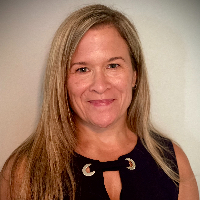
Minnesota · 15 yrs exp
Practical support for caregivers and life strain
Stress, Anxiety · Grief · Self esteem · Depression · +1 more
Read profile
Minnesota · 7 yrs exp
Compassionate counselor for life transitions
Stress, Anxiety · Trauma and abuse · Self esteem · Depression · +10 more
Read profile
Minnesota · 6 yrs exp
Compassionate LICSW for practical emotional support
Stress, Anxiety · Coaching · ADHD · Trauma and abuse · +2 more
Read profile
Minnesota · 28 yrs exp
Experienced LICSW who values your strengths
Stress, Anxiety · Relationship · Trauma and abuse · Self esteem · +1 more
Read profile
Minnesota · 11 yrs exp
Practical support for stressed and overwhelmed carers
Stress, Anxiety · Self esteem · Depression · ADHD · +8 more
Read profile
Minnesota · 3 yrs exp
Calm, practical support for everyday struggles
Stress, Anxiety · Grief · Depression · Coping with life changes · +4 more
Read profile
Minnesota · 5 yrs exp
Compassionate person-centered therapy for caregivers
Stress, Anxiety · Trauma and abuse · Parenting · Self esteem · +10 more
Read profile
Minnesota · 14 yrs exp
Supportive counselor focused on practical change
Stress, Anxiety · Addictions · Relationship · Depression · +13 more
Read profile
Minnesota · 8 yrs exp
Supportive LICSW for practical change
Stress, Anxiety · Grief · Career · Bipolar · +10 more
Read profile
Minnesota · 15 yrs exp
Practical, evidence-based support for caregivers and individuals
Stress, Anxiety · Family · Self esteem · Depression · +8 more
Read profileIf you are considering online therapy in Minnesota, you will find a growing number of licensed mental health professionals offering services by video and sometimes by phone. Online therapy often mirrors in-person work in structure and goals - you work with a clinician to address mental health and life challenges through regular sessions, therapeutic techniques, and agreed-upon goals. Regulations and professional expectations guide how those services are delivered, including the requirement that clinicians hold an appropriate Minnesota license to provide care to people located in the state during sessions.
Because technology is central to remote care, platforms and tools are part of the experience. You may connect from a home office, a quiet room, or another comfortable environment. Many therapists describe the modalities they use and the types of clients they typically see on their profiles, which can help you understand whether their approach aligns with your needs. When you review profiles, keep in mind that listed approaches reflect what a therapist uses in practice rather than a specific credential for any one method.
Online therapy offers practical benefits if you live in a rural Minnesota community, have limited transportation, or manage a busy schedule. You avoid travel time and the unpredictability of winter commutes, and you may be able to fit appointments into times that work with school or work demands. For many people, being able to attend sessions from a familiar personal setting makes it easier to maintain continuity over weeks and months.
Beyond convenience, online sessions expand the pool of clinicians you can consider. You can look for therapists who speak your preferred language, who list specific approaches that resonate with you, or who specialize in areas such as family concerns, grief, or workplace stress. The flexibility of remote care can also support consistent participation if mobility, caregiving responsibilities, or geographic distance would otherwise be barriers.
Online therapists in Minnesota work with a wide range of concerns that include anxiety, depression, relationship or family issues, stress and burnout, grief, and life transitions. Many therapists who list trauma-focused approaches among their methods also work with people navigating the effects of stressful or traumatic experiences. Couples and family therapists who offer remote sessions may support communication and problem solving when family members can join from multiple locations.
You can also find clinicians who describe experience with specific concerns such as parenting challenges, adolescent issues, substance-related concerns, obsessive thoughts or behaviors, and work-related stress. When browsing profiles, look for clear descriptions of focus areas and the kinds of clients a therapist typically works with. That information helps you assess whether a clinician’s experience aligns with the issues you want to address in therapy.
Before you begin working with a therapist, it is wise to confirm that their license is active in Minnesota. Start by looking for license details on the therapist’s profile, which often lists license type and a license number. With that information in hand, visit the Minnesota state government website or the appropriate professional licensing portal to search the public license lookup. Enter the clinician’s name or license number to view status, expiration date, and any publicly posted disciplinary history. If a profile does not include license details, you can request that information when you reach out to the clinician for an initial conversation.
Keep in mind that mental health professionals hold different credentials depending on their discipline, including licensed professional counselors, licensed clinical social workers, licensed marriage and family therapists, and licensed psychologists. Each credential corresponds to a board or licensing unit that maintains public records. If you have questions about what a particular license title means or how to interpret public records, the state licensing site typically provides guidance, or you can contact the licensing office directly for assistance.
Getting started with an online therapist usually begins with a brief outreach to introduce yourself and ask preliminary questions. Many therapists provide a short phone or video consultation to help you determine whether their approach aligns with your goals. During that first contact you can ask about session format, typical session length, fee ranges, whether they work with your insurance plan or offer alternative payment arrangements, and what to expect in an initial session. Asking about languages spoken and experience with issues similar to yours can also help you decide whether to proceed.
From a technical perspective, prepare a reliable internet connection and a device with a camera and microphone. Choose a quiet, comfortable room where you can speak openly without interruption. If you use headphones, they can improve audio clarity. Before your first session, a therapist or their administrative contact may send intake forms and consent documents to complete online. Those forms typically cover contact information, emergency contacts, and practice policies. Plan to allow time for paperwork and for an introductory conversation so you both have a clear starting point for therapeutic work.
Choosing a therapist is a personal decision and you may prioritize different qualities depending on your needs. Consider the clinician’s stated focus areas and the populations they describe working with. Look at the therapeutic approaches listed on their profile and remember that approach labels indicate methods a therapist uses rather than formal endorsements. For instance, you might find therapists who list cognitive behavioral approaches among their methods, or therapists who list EMDR among their approaches. If a particular approach interests you, ask the clinician how they apply it in sessions and what a typical course of work looks like.
Language and cultural fit can also matter. If you prefer to speak in a language other than English, search for therapists who list that language on their profile. Reflect on practical preferences as well - whether you want shorter, skills-focused work or a longer exploration of patterns and relationships will influence the kind of clinician who may be a good match. After a first few sessions, notice how you feel about the therapist’s communication style, pacing, and the way they invite your input. It is normal to meet with a few clinicians before you find the dynamic that works best for you. Trust your judgment about what feels respectful and helpful, and feel empowered to ask questions until you feel comfortable moving forward.
By taking time to review profiles, verify licenses, and prepare thoughtful questions, you can make a more informed choice about online therapy in Minnesota. Use your initial conversations as opportunities to clarify goals and expectations so that you and your therapist can begin focused work together in a way that fits your life.
ADHD
780 therapists
Anger
1007 therapists
Autism
424 therapists
Cancer
343 therapists
Chronic Illness
820 therapists
Depression
2746 therapists
Grief
1980 therapists
Guilt and Shame
2544 therapists
Intellectual Disability
202 therapists
Isolation / Loneliness
2560 therapists
Midlife Crisis
1141 therapists
Mood Disorders
1676 therapists
Panic Disorder and Panic Attacks
1495 therapists
Post-Traumatic Stress
1832 therapists
Self Esteem
2651 therapists
Sleeping Disorders
259 therapists
Stress & Anxiety
3437 therapists
Trauma and Abuse
1981 therapists
Traumatic Brain Injury
92 therapists
Adoption
450 therapists
Aging and Geriatric Issues
691 therapists
Blended Family Issues
843 therapists
Career
1011 therapists
Caregiver Issues and Stress
3797 therapists
Communication Problems
2936 therapists
Compassion Fatigue
981 therapists
Coping with Life Changes
2518 therapists
Divorce
1804 therapists
Family
1666 therapists
Forgiveness
2322 therapists
Hospice and End-of-Life Counseling
577 therapists
Life Purpose
2710 therapists
Money and Financial Issues
694 therapists
Parenting
1345 therapists
Relationship
2244 therapists
Self-Love
2710 therapists
Workplace Issues
1916 therapists